Laura Enston Get In Touch

Speaker. Advocate. Campaigner.

Justice, trauma, and the stories families inherit.

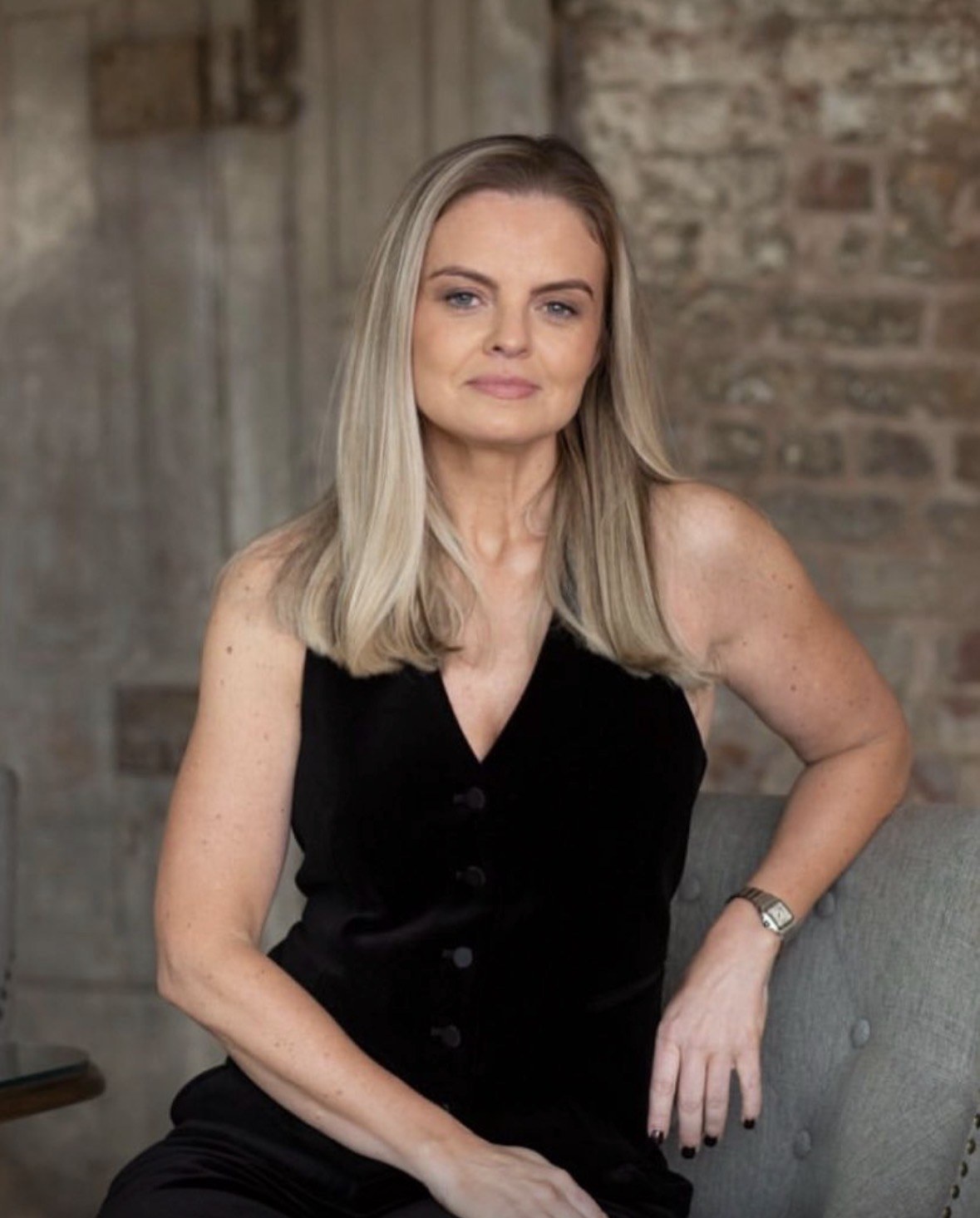
I’m Laura Enston, granddaughter of Ruth Ellis, the last woman to be executed in Britain. I speak about generational trauma, the realities of domestic abuse, and what it means to pursue justice when history has already delivered its verdict.

Broadcast experienced BBC Radio 4 Woman’s Hour
Campaign update Application submitted to the Ministry of Justice
On screen ITV A Cruel Love
Laura Enston portrait photograph

About Laura

Together with my siblings, I continue the campaign started by my great aunt Muriel to seek justice for Ruth. With the support of our legal teams at Mishcon de Reya and Matrix Chambers, we have submitted an application to the Ministry of Justice requesting a posthumous conditional pardon.

For decades, I lived with a kind of inherited silence. Shame. Secrecy. The feeling that my family’s history came with a label I could never remove. Healing has taught me something different. Trauma does not disappear when it goes unspoken. It simply travels.

Laura x

What organisers book Laura for

  • Generational trauma, identity and the cost of secrecy.
  • Domestic abuse, coercive control and how law and culture have changed.
  • The death penalty and the families left behind.
  • Women, judgement and what “justice” looks like across generations.

Talks are tailored to each engagement. Laura provides themes and angles, not scripts.

Media and cultural impact

The Ruth Ellis story continues to shape public conversation on domestic abuse, justice and the legacy carried by families. Laura contributes to this work with care, clarity and a steady presence.

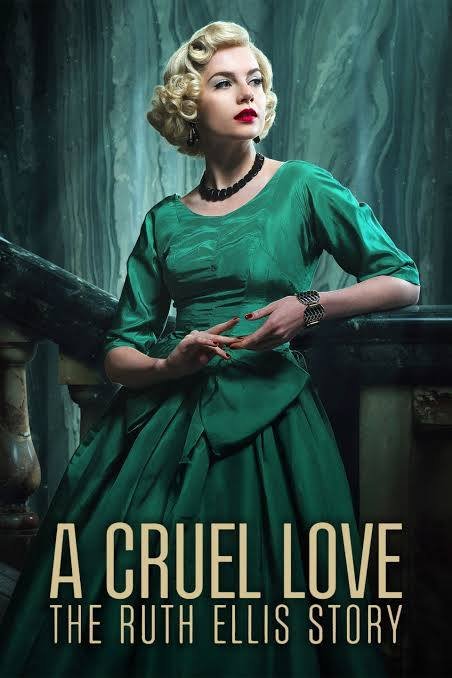
ITV drama poster for A Cruel Love: The Ruth Ellis Story

ITV drama

A Cruel Love: The Ruth Ellis Story

The ITV drama renewed public attention on Ruth’s story and helped bring the wider questions of coercive control and justice back into conversation.

“You can’t read about the details of her life and not feel emotionally affected.” Lucy Boynton

Quote source: interview with Lucy Boynton. Read interview
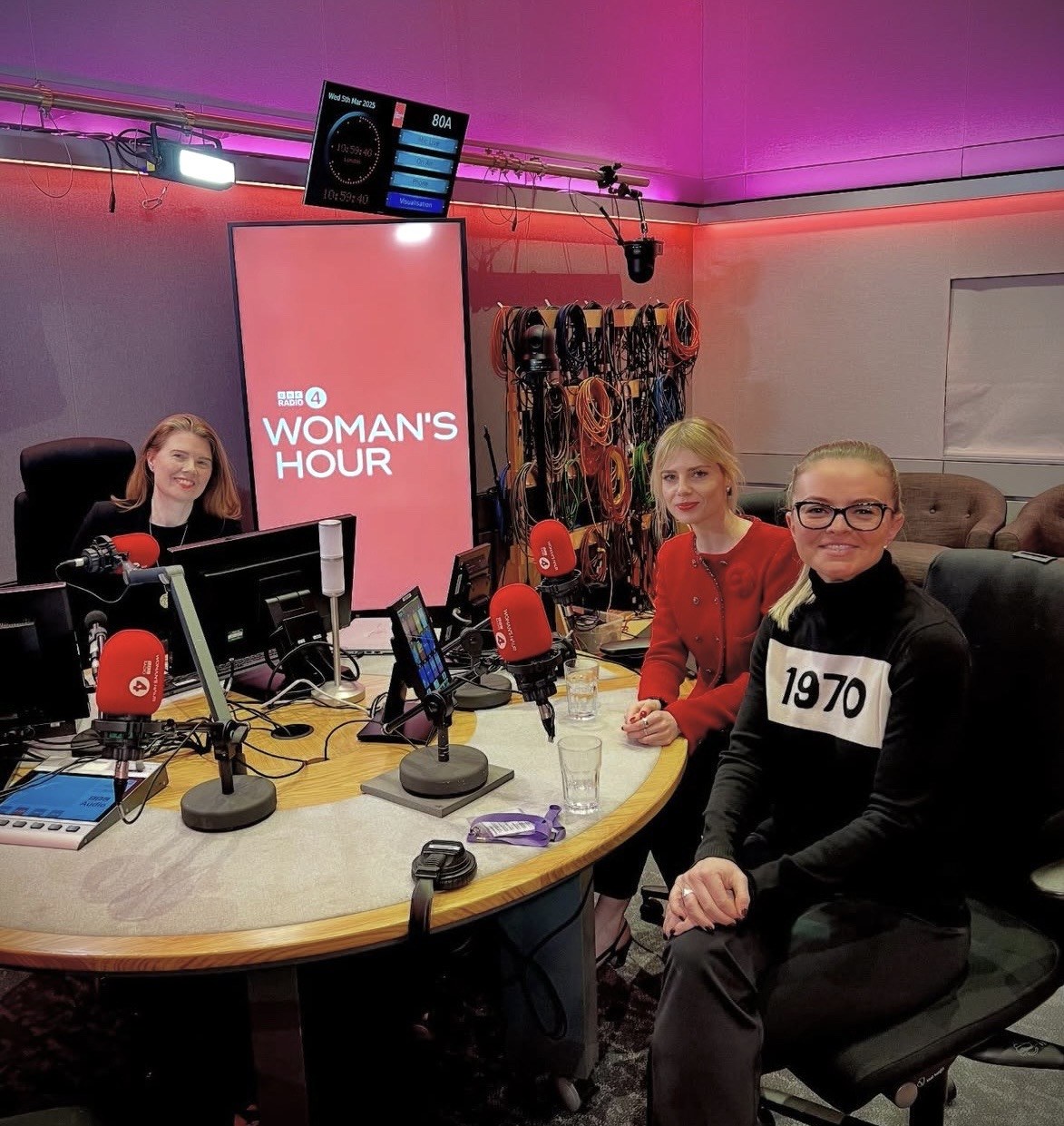
Laura Enston pictured in the BBC Radio 4 Woman’s Hour studio

BBC Radio 4

Woman’s Hour

Laura has discussed the campaign and the family impact of Ruth’s case on one of the UK’s most trusted long form programmes.

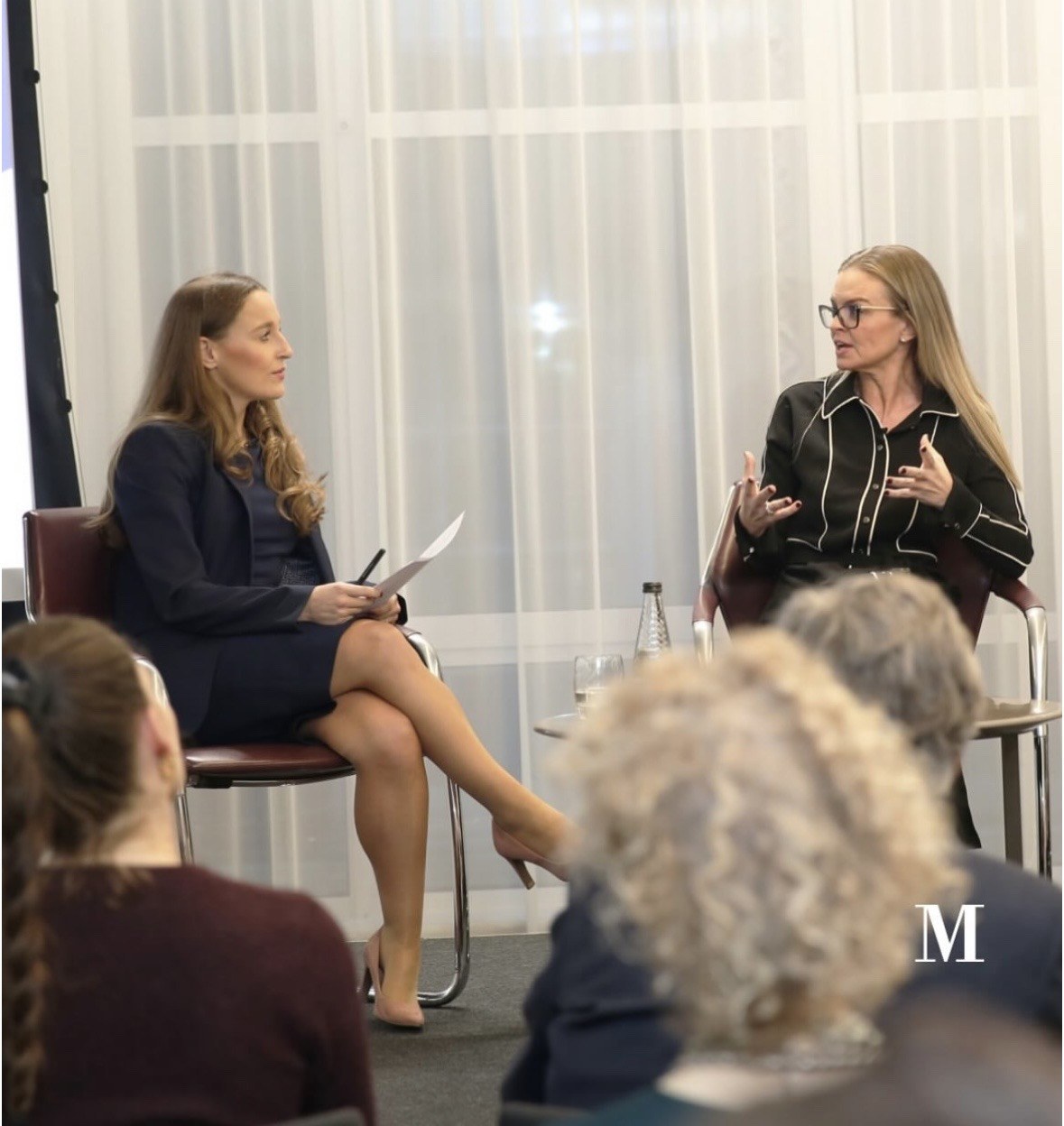
Laura Enston speaking on a panel event at Mishcon de Reya

Panel event

Justice delayed is justice denied

Laura joined a panel at Mishcon de Reya on the case for a posthumous conditional pardon.

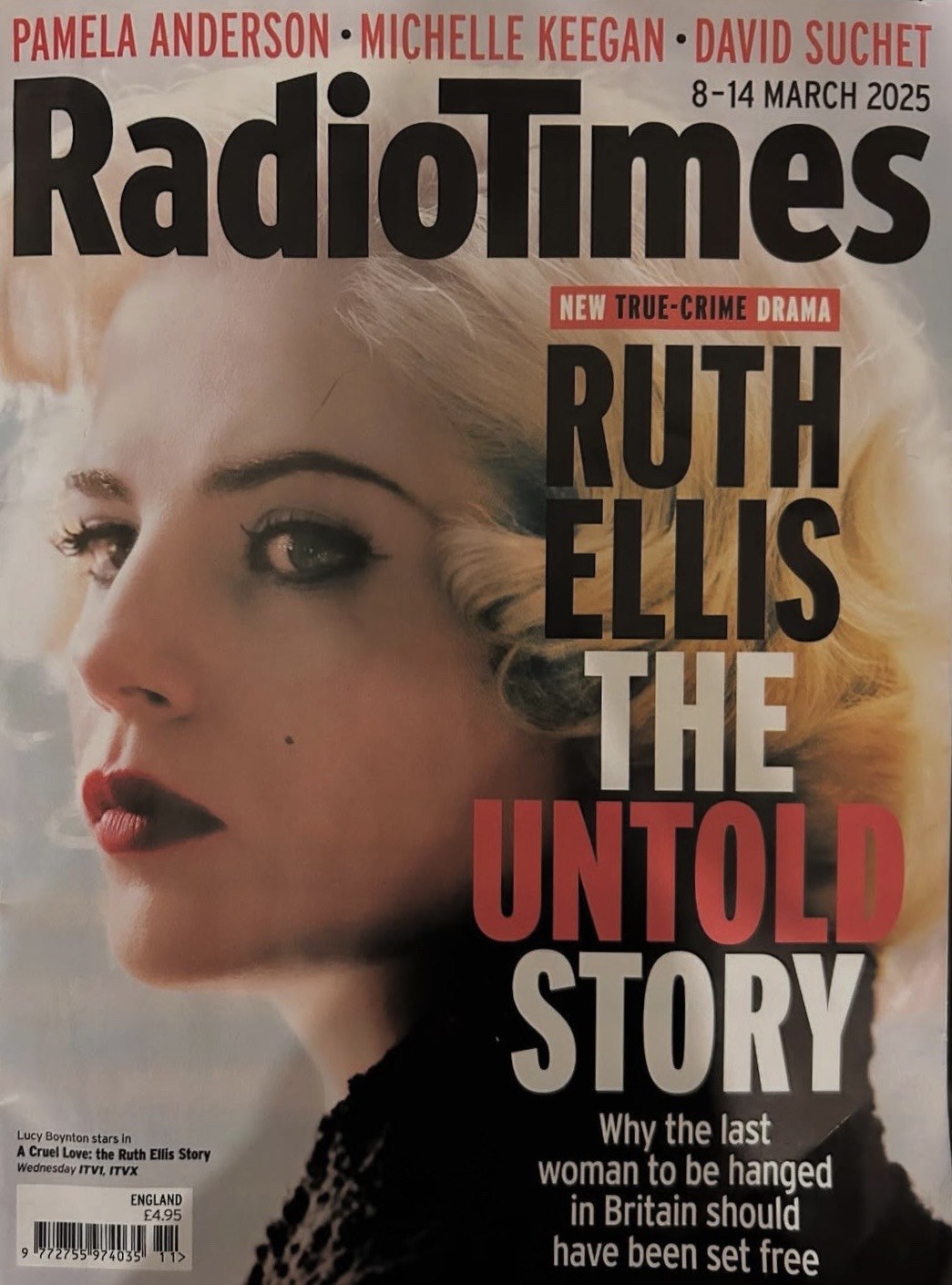
Radio Times cover featuring Ruth Ellis: The Untold Story
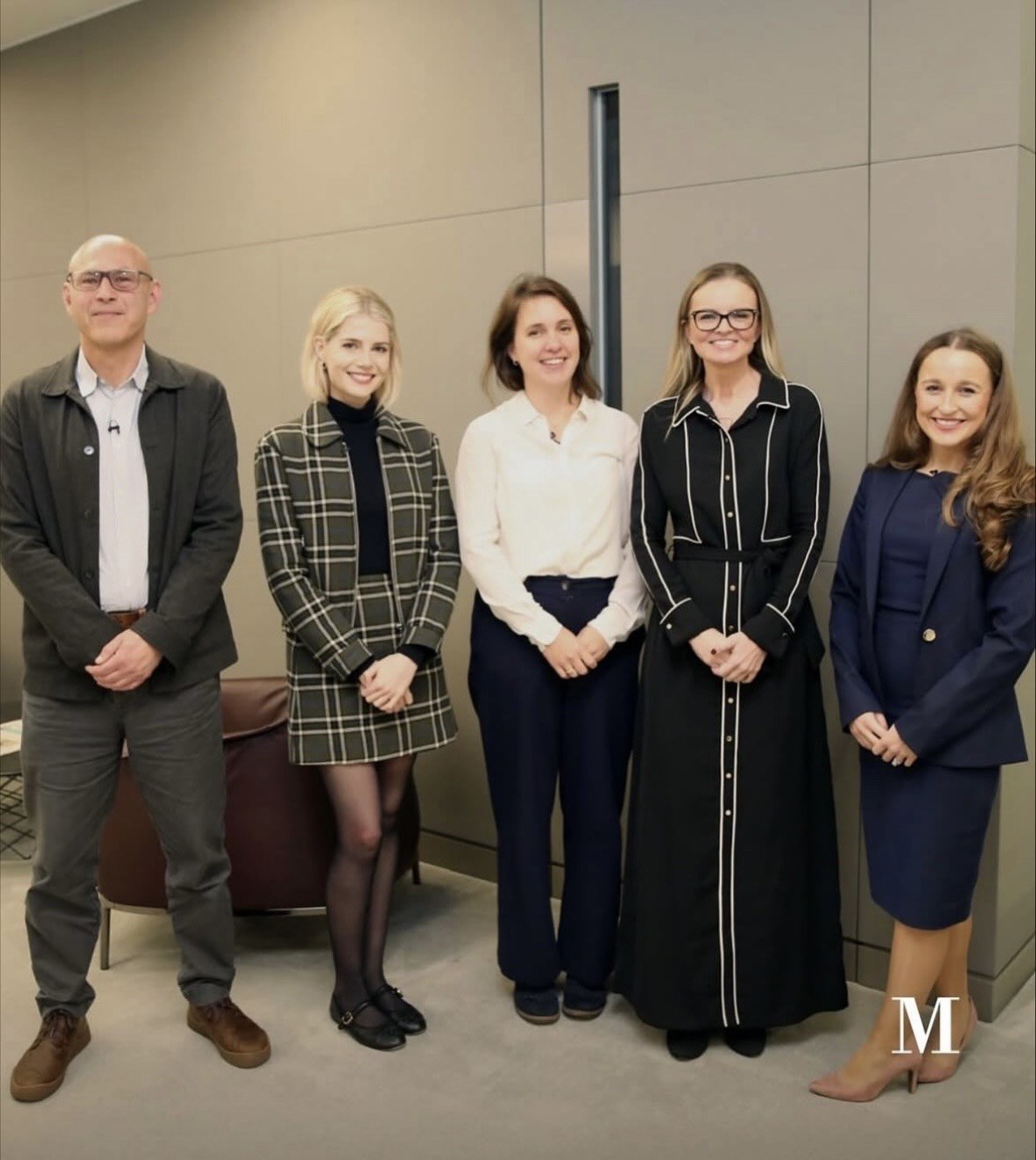
Laura Enston pictured with panel participants
Laura Enston seated portrait photograph

Pardon Campaign FAQs

A clear overview of what is being requested and why.

Why has this application been submitted

We are seeking to correct what is widely regarded as a historic miscarriage of justice. Since 1955 there have been significant advancements in understanding the psychological effects of domestic abuse and coercive control. By modern standards, the violence Ruth endured would be central to an assessment of culpability.

What exactly is being requested

We have applied for a posthumous conditional pardon, via the Royal Prerogative of Mercy. A conditional pardon does not overturn the conviction, but acknowledges that Ruth should not have been executed in the circumstances of her case.

Why now

Seventy years after Ruth’s execution, law and society have evolved to recognise the effects of coercive control and sustained violence. This application seeks to address a historical injustice that continues to cast a shadow over our family and public confidence in justice for victims of abuse.

What powers does the Secretary of State for Justice have

The Secretary of State for Justice can advise His Majesty the King to exercise the Royal Prerogative of Mercy by way of conditional pardon. There is precedent for doing so where, by modern standards, it is evident that a miscarriage of justice took place.

How would her case be treated under today’s law

The legal landscape has changed dramatically since 1955. Later reforms and developed case law recognise cumulative provocation, coercive control, and conditions observed in cases involving prolonged domestic abuse. These developments are central to understanding why Ruth’s execution remains so contested.

My Journey

The first time I became aware of my connection to Ruth, I was seven years old. It marked the start of decades of shame, secrecy and a determination to distance myself from the story.

Moving to Canada in 2020 gave me something I had not allowed myself for years. Space. Quiet. Time to think. For the first time, I was given language for what it means to grow up in the shadow of a public legacy.

Healing has shown me that where I stand today is shaped by the ripple effects of Ruth’s execution. With my two daughters as motivation, I am committed to breaking the cycle.

Laura Enston close-up photograph
Strength, steadiness, and a message that is careful and hard to ignore.

Get in touch

For bookings, media requests, festivals, panels, podcasts, or speaking enquiries, email the team below.

Booking enquiries

lejconsulting@outlook.com

Please include date, location, format, audience size, and any preferred angles.